01
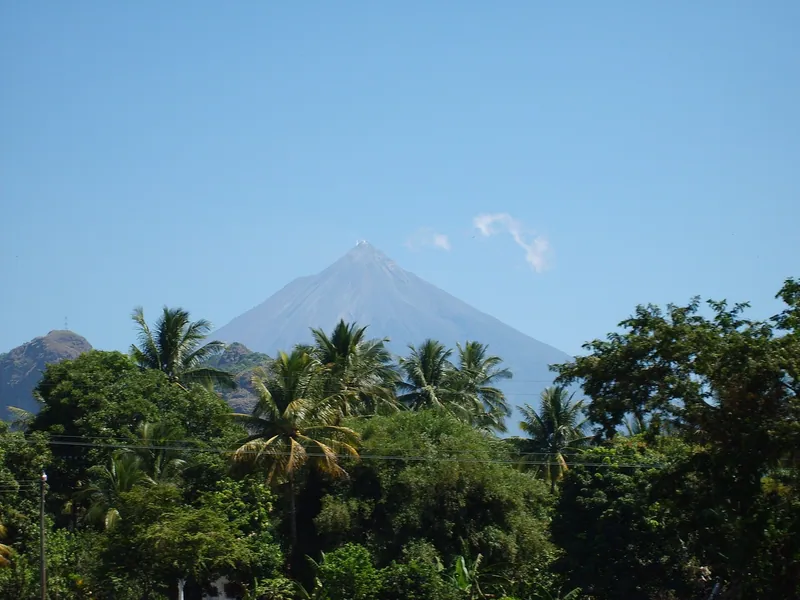
Overnight hike with a camp bed
Overnight hike with a camp bed
Meets at 08:00 in Antigua. Includes a place at camp, a sleeping bag, three meals and community entry.
From $150
See dates and availability→Before you go
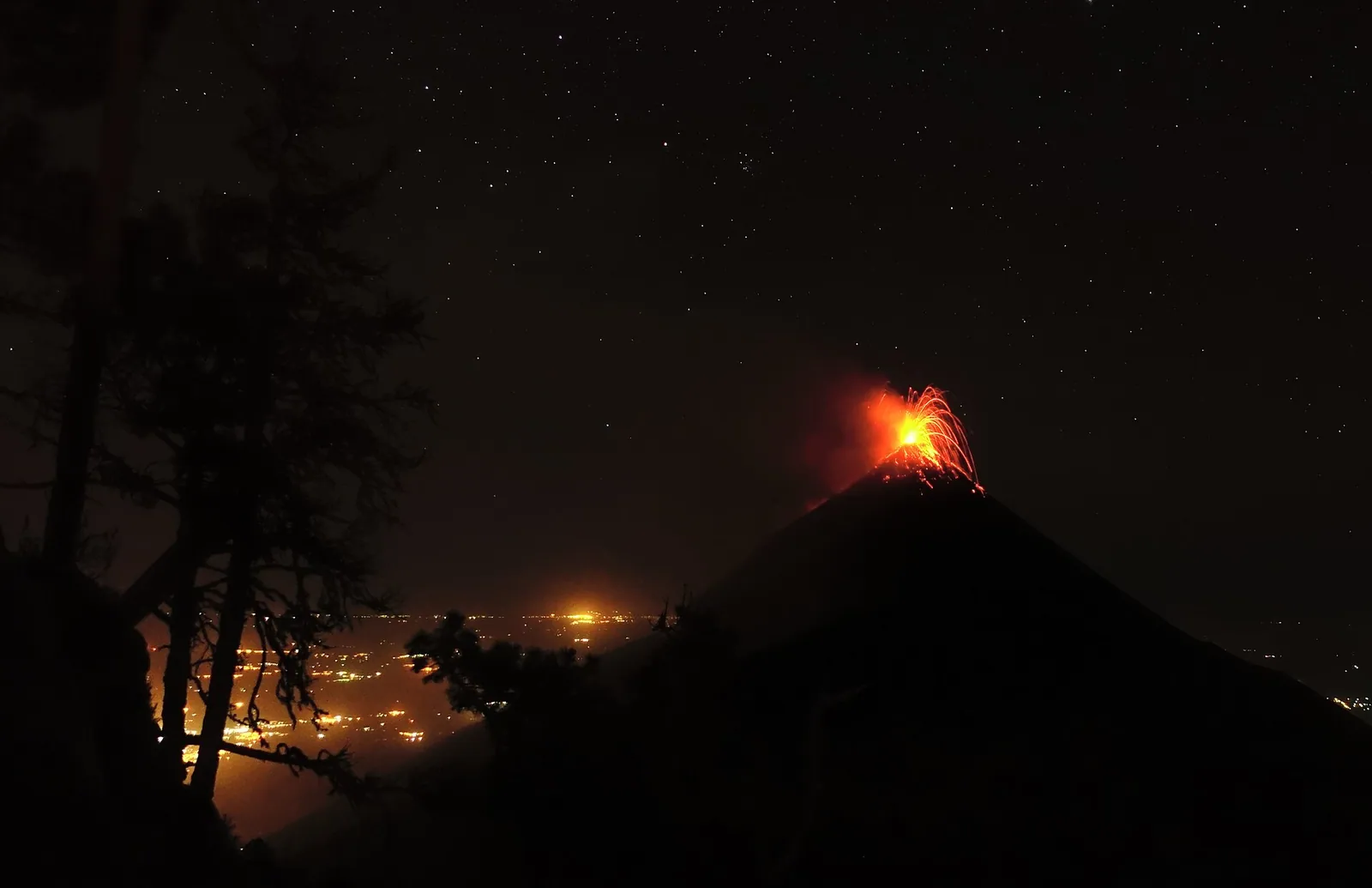
Shared cabins, tent camps and bed arrangements
Published starting prices for the options below.
We may earn a commission if you book through these links, at no extra cost to you.
01
Overnight hike with a camp bed
Meets at 08:00 in Antigua. Includes a place at camp, a sleeping bag, three meals and community entry.
From $150
See dates and availability→02
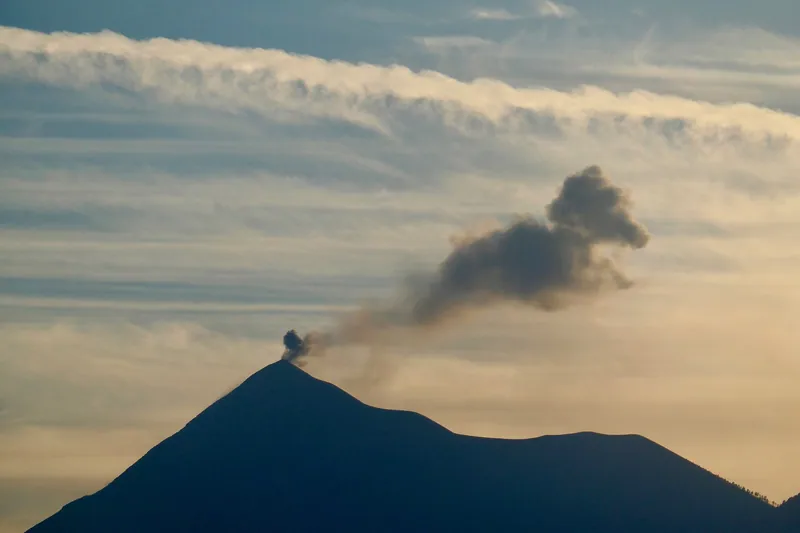
Overnight hike with a tent
The 08:00 Antigua shop departure includes a tent, pad, sleeping bag, three meals and entry.
From $250Read more
See dates and availability→03
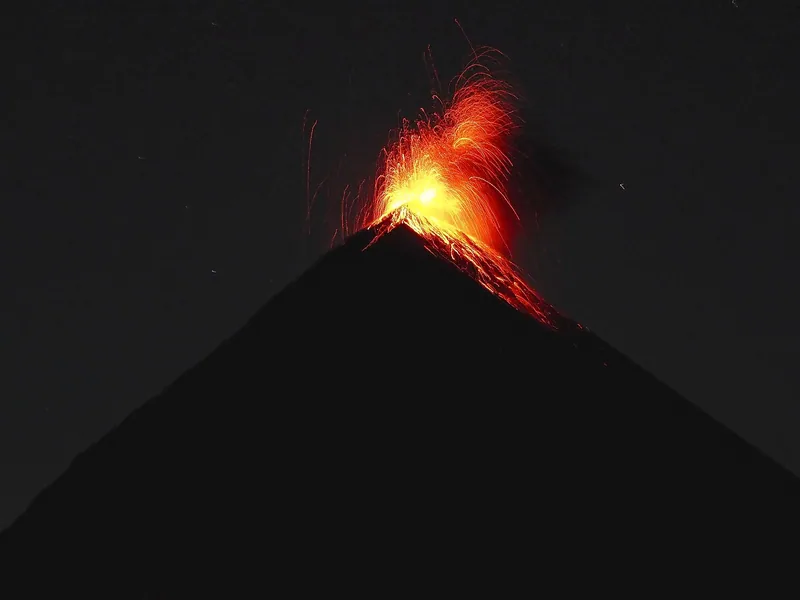
Tent overnight from Guatemala City
Central Guatemala City hotel pickup from 06:15. Includes two guides, a tent, bedding and three meals. Bring at least four litres of water.
From $345Read more
See dates and availability→An Acatenango cabin price can be per person in a shared room. Get the seller to specify bed count, whether the room is reserved for your party, and what happens when another party books the same departure. The eight-bed listing answers the bed-count question. The upgraded shared tier has a six-person maximum and includes a bed, sleeping bag, blanket and pillow. Bring those answers to the overnight hike comparison if you are choosing between accommodation at different camps.
| Item | What to expect |
|---|---|
| Shared cabin1 | From $90, bedding included |
| Eight-bed shared cabin2 | From $109 |
| Upgraded cabin3 | From $125 |
| Tent package4 | $148 to $253 by group size |
| Dome or tent5 | $119 shared package |
The standard wooden cabin’s public list includes a mat, sleeping bag, blanket and pillow. The smaller-cabin listing names eight beds. The upgraded tier has a separate starting price. These are three packages from the same Antigua operator. They are useful examples of how the price breaks down even if you use a different booking site. On 19 November, the standard cabin started at $90, the eight-bed cabin at $109 and the upgraded tier at $125. The $19 difference buys the published step to the eight-bed tier in that comparison. It cannot stand in for a private room quote.
Read bed, room and guiding arrangements as three independent inclusions. A bed secures a place to sleep. A room for your party gives you control over who shares the space. A private guide can give the group its own walking pace and still take it to shared facilities. If you want fewer people moving around before dawn, the number of beds and who may use them matter more than the trip’s overall group size. If you want to set the group’s walking pace, prioritize the guide arrangements and read camp occupancy separately.
The bed assignment matters if your group needs easy access. A top bunk, a floor mat and a low bed require different movements after a long downhill practice walk or a tiring ascent. Follow the camp’s instructions for where bags and shoes can go so that walkways are open. A published photo of a bed setup helps if it is linked to the named room. A photo of the overall camp can be useful for finding the path without showing how people share each room. The overnight tour comparison explains how to distinguish sleeping setup and itinerary.
The tent package uses a private campsite and includes a sleeping bag and pad. A private campsite can have shared tents. The listing may describe a dining shelter separately from where you sleep. A dome or tent may be yours to select at checkout, or the operator can allocate whatever space is left after the seats sell. Price the actual product, including any supplement to use a tent alone, in your trip budget.
The private tent departure from La Soledad puts the accommodation at an Acatenango camp. Its itinerary describes a tent with a sleeping bag and pad. It includes lunch, dinner and breakfast, park admission and transport from the Antigua shop. The guide takes walkers from the village through fields and forest to its camp. A tent set up by the operator saves the bulk of carrying a shelter from Antigua. You still need your own water for the route under the booking’s water instructions, warm layers and a light for the walk outside the tent. Pack for sitting still after the sun has gone down.
The published shared dome or tent example includes a bag and mat and starts at $119. A dome and a tent can differ in headroom, space for gear and how they sit on the ground. Use the shelter listed on your booking to judge where you will put the part of the pack you need before dawn. When only “dome or tent” is stated, plan on the bedding being provided and reserve flexibility around the shelter type. Consider sleeping capacity independently from the number of tour places offered.
A tent with an insulating mat is a different setup from a tent with a thin fabric floor alone. The fabric keeps out wind and precipitation when intact and properly pitched. The pad and sleeping bag address the cold while lying down. A cabin adds rigid walls and a floor, but heating and good bedding are separate features. Dress for the time outside as well as the bed. The camp temperature guide explains the 2 to 5°C examples and the below-freezing planning note for some winter nights.
Look at the route from the room to the toilet, including any lighting, and locate the water supply for when you reach camp. Plan where to leave wet gear overnight. A wooden cabin may have little room to hang layers, and boots and rain gear still need to be reachable before dawn. Bring a headlamp and use an inner liner or dry bag so the layers you need for sleep stay dry. Choose your own equipment with the packing list once the supplier has said what it lends.
Look for a covered place to wait after dinner in wind or rain. A photograph may show the mountain from camp while leaving the location of your sleeping room unclear. A view of Fuego depends on cloud, visibility and what the volcano is doing.
Plan the route from the bed to dinner, the view and the toilet. In the standard cabin example, the operator has a toilet stop before the climb at its private farm. That describes the start of the hike. The camp arrangements are reached several walking hours later. Put a lamp and shoes beside the bed and walk the permitted path while it is light if you can. A door or flush fixture tells you little about an uneven slope from the cabin to reach it. If anyone in the party has trouble with stairs, speak about the whole walk, including terrain and distance from the bunk.
Food facilities vary with the camp. The standard cabin itinerary describes a hot dinner cooked on the mountain and food for the walk up. One tent alternative prepares dinner at its camp after you arrive and get settled. Menus and allergy handling depend on the camp kitchen. The camp food and toilets guide puts the stop for lunch, hot dinner and morning meal in order. It also gives the cooking-water example, which can affect how much the group has to bring in.
A camp can look across the valley at Fuego even when its bunks face the other way. Use the designated space and allow time to get warm between looks. The chance of a clear view depends on cloud and volcanic activity. The Fuego viewing guide separates an Acatenango camp from the prohibited Fuego ascent. Pay for the sleeping arrangement on Acatenango and the walk you want to do there.
The six-person cabin is still a shared room. Its listing says it holds up to six guests from the hiking group and supplies a bed, bag, blanket and pillow. Its operator lists the eight-bed tier separately. It also publishes a private example for two from $350 for the party, with its own cabin, guide and transport. These were public starting prices on 19 November 2026. The two-person rate shows what one private package includes. A group of four needs its own room and group quote. source · source
| If you need | The wording that settles it | How the example fits |
|---|---|---|
| A bed on a shared hike | One booked bed per guest. | The six-bed tier meets this even if other guests share. |
| A room just for two | Exclusive use of the named sleeping room. | The direct private two-person example states this. |
| Four beds together | The same named room for all four guests. | The published six-bed capacity alone leaves two places unassigned. |
| A walking pace for your party | A private guide included for your group. | Where and with whom you sleep is a separate booking term. |
Four friends booking at a published $125 starting rate would be looking at $500 for four places, subject to the rate for the chosen date. That buys four advertised shared places at that price. To make the room itself private, the seller has to exclude the remaining guests from the assignment. Booking the evening as a group can simplify the arrangement, especially when two people want a lower bed or expect to skip the dawn walk. The quote for a cabin for two gives a sense of how sellers bundle privacy, but it leaves availability for a different group unresolved.
The private tent operator puts its campsite a little under the tree line and describes dinner there at roughly 3,750 m. A separate cabin operator places its camp at 3,750 m. The two advertised camps are at a similar height. Each operator runs its own layout. One package supplies a tent, bag and pad. The cabin package supplies beds inside fixed rooms. Crowding at the door, rain protection between shelters and where a guide cooks can differ across those setups. source · source
The standard cabin’s listed shower and towel are for after the hike at its Antigua hostel. A party that compares this with a tent should put the shower on the town part of its itinerary. The relevant question for camp is how to get to the toilet and what is available for washing hands. One trekking operator lists a pit latrine at its own basecamp. Have the guide outline that route on arrival if anyone plans to stay out after sunset. source · source
Send the seller the names of the people sharing. Use “beds in the same room” if that is sufficient and “the room for our group only” if you want exclusive use. Party size can change the cost per person on an exclusive quote. Keep the bed assignment and the refund terms together in case the operator switches the shelter.
If you plan to skip the summit sunrise, plan to wait where the guide can find you. Note whether breakfast is before or after the early walkers return. If you will join them, keep your lamp and an extra layer close to the bed. Pack quietly if others are sleeping, and bring your morning gear up from Antigua.
Choose the arrangements that work when the whole group is tired. In an eight-bed cabin, several people may need to change out of muddy layers or leave early for their summit walk. Put the dry sleep kit in one small bundle and keep wet boots where the camp directs. Carry a quiet lamp and leave a useful walkway for other people. A tent with a booked companion can be easy to share if both know where the water and shoes are stored. Give both walkers space to put gear away without crushing the dry layers the other person needs.
Separate the decision to sleep from the decision to summit. After dinner, see how you feel at camp and listen to the guide’s decision for the morning. If you skip the dawn climb, stay in the agreed area and time breakfast on the itinerary. Put an extra layer within reach even if you plan to sleep past the departure. If you join, keep the lamp set up and dress somewhere you can avoid waking people unnecessarily. The guide can shorten a walk because of conditions even when the booking includes it. Read the arrival and return plan independently of whether the summit goes ahead.
Use the same camp costs in your final comparison. Put down the amount per bed, the price for the whole party and any separate equipment fees. Compare two bed fares directly when both include the camping kit. Include the price of any poles or personal layers you need to rent. A private tent tour may vary by group size, so select the party size before dividing its cost. For two people who already have warm clothing, prioritize sleeping room and included water. For guests whose only insulated jacket is the one being loaned, fit can matter more than the label on either package. A cabin bed cuts what you carry when it comes with its own bedding, but individual food, water and outside clothing still belong in the hiking plan.
Decide where you will sit between dinner and bed. A shelter can have window views and still leave your group outside for meal service. Keep the coat you can put on over your walking layers at the top of your bag. At breakfast, pack as if you might leave for the summit in the dark and return to reclaim your kit before the descent. A small sack for wet socks and gloves keeps them away from the dry clothing you packed for the climb down. Leave room to refill your pack after using the camp bedding.
Good to know
Some sellers have private arrangements. Exclusive use may cover the guide, the campsite or the sleeping room.
The standard shared-cabin listing includes a mat, sleeping bag, blanket and pillow. The smaller cabin and tent listings describe their own bedding.
You can plan to wait at camp if it is part of your guide’s arrangement. Agree who stays with you, where you wait and when the group returns. Conditions can change that plan.
Cloud and wind can change quickly. The outdoor viewpoint and the view from your room are separate details on the booking.
More of the guide
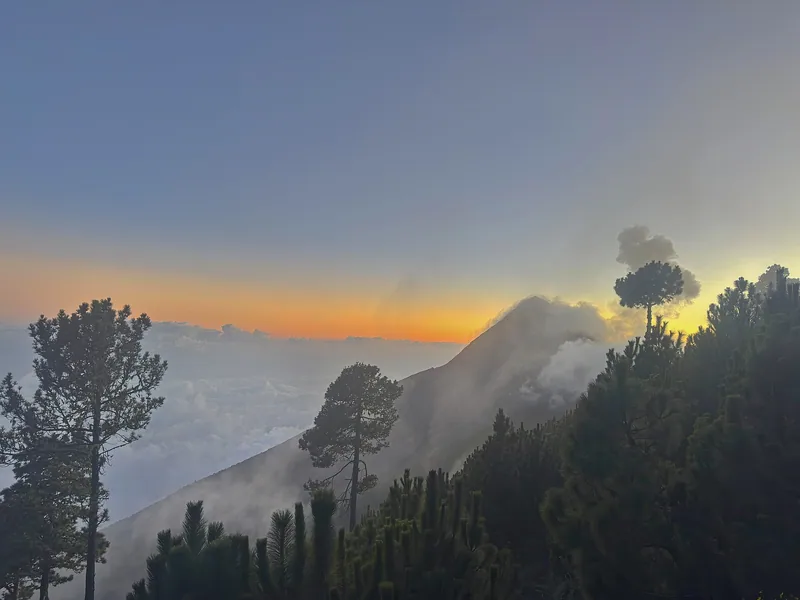
Compare cabins, tents and the price of entry
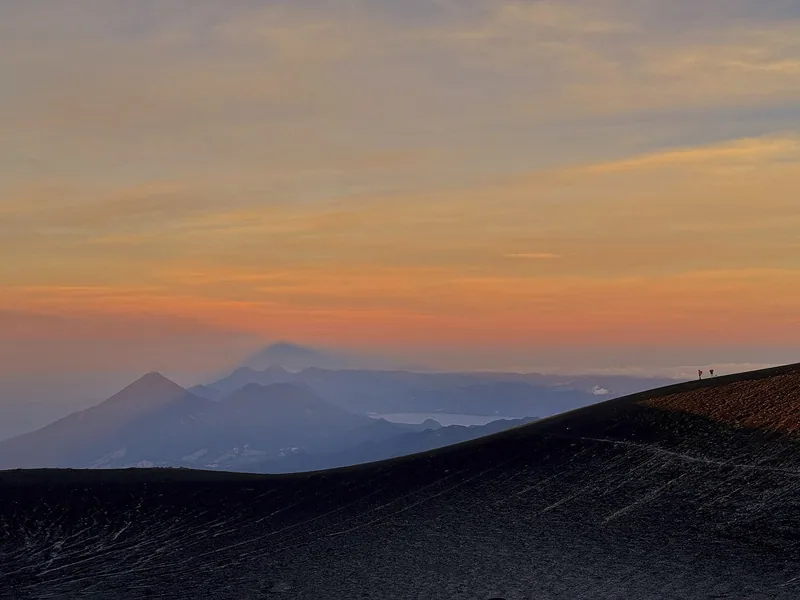
Pack for the climb, camp and dawn
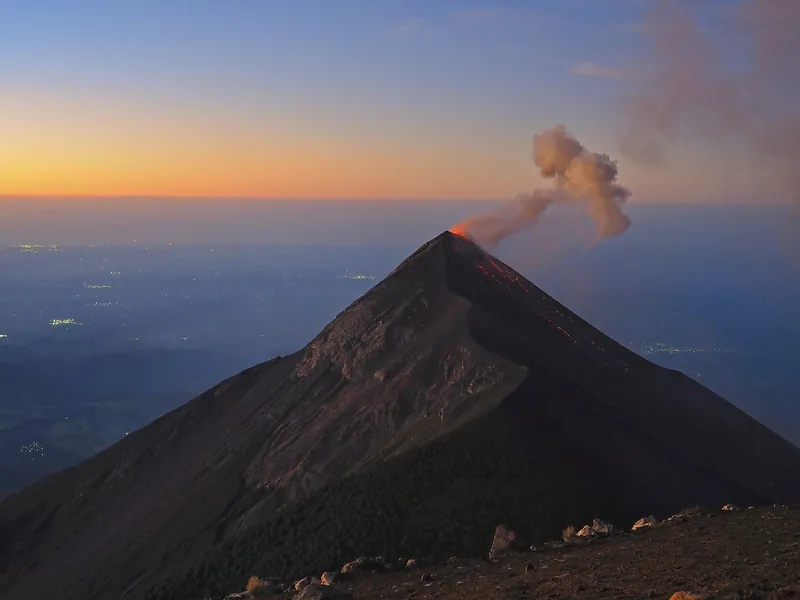
Predawn climb, time from camp and returning below
3 picks · from $150
See tours